


What Boerne Homeowners Should Know About Indoor Air Quality in Early Fall
September in Boerne, TX is a transition month. We are not fully out of summer, but we start getting hints of fall—cooler mornings, warm afternoons, scattered rain chances, and plenty of allergens moving through the Hill Country air. For many homeowners, this is also the time when the air conditioner has been running hard for months, windows may start opening in the evenings, and indoor air quality issues become more noticeable.
At Viking Climate Control, we talk with Boerne homeowners every fall who are dealing with musty odors, allergy flare-ups, uneven humidity, dust buildup, and concerns about whether their HVAC system is helping or hurting the air they breathe. The good news is that early fall is one of the best times of year to get ahead of indoor air quality problems before cooler weather arrives.

Key Takeaways:
- September in Boerne can bring allergens, humidity swings, and lingering summer dust that affect your home’s indoor air quality.
- Your HVAC system plays a major role in the air you breathe, especially through filtration, humidity control, airflow, and duct cleanliness.
- Early fall is an ideal time for HVAC maintenance before cooler temperatures arrive and before holiday indoor gatherings begin.
- Upgrades like better filters, UV lights, whole-home air purifiers, and humidity solutions can make your home healthier and more comfortable.
Why Indoor Air Quality Matters in September
In Boerne, September can still feel like summer during the day. Temperatures often climb into the upper 80s or 90s, which means your air conditioner may still be working hard. At the same time, mornings and evenings may feel pleasant enough to open windows. That combination can bring outdoor particles inside while your HVAC system continues circulating air throughout the home.
Common early fall indoor air quality concerns in the Boerne area include:
- Ragweed and fall pollen entering through windows, doors, and air leaks.
- Mold spores from humid conditions, shaded yards, damp ductwork, or clogged drain lines.
- Dust and debris that collected during heavy summer AC use.
- Pet dander that becomes more noticeable when homes stay closed up.
- High indoor humidity that makes rooms feel warmer and can contribute to musty smells.
- Dirty filters that restrict airflow and allow more particles to circulate.
Many homeowners assume indoor air is automatically cleaner than outdoor air. Unfortunately, that is not always true. Pollutants can become trapped indoors, especially in newer or tightly sealed homes. When air is not filtered, exchanged, or balanced properly, your home can start to feel stuffy, dusty, or uncomfortable.
Signs Your Boerne Home May Have Indoor Air Quality Problems
Indoor air quality issues are not always obvious at first. Sometimes they show up as comfort problems, odors, or recurring allergy symptoms. If you notice any of the following, your HVAC system and indoor air quality may need attention:
- Family members waking up congested or with dry throats.
- Dust returning quickly after cleaning.
- Musty smells when the AC turns on.
- Rooms that feel humid or sticky even when the thermostat is set low.
- Visible dust around supply vents or return grilles.
- Hot and cold spots throughout the house.
- Increased allergy or asthma symptoms indoors.
- Condensation near vents, windows, or air handler components.
In September, these issues can feel worse because your home is caught between seasons. Your AC may not run as constantly as it did in July or August, which can reduce dehumidification. At the same time, outdoor allergens are active, and many families are spending more time indoors with school schedules, evening routines, and weekend football gatherings.
The Role Your HVAC System Plays in Clean Indoor Air
Your heating and cooling system does much more than control temperature. It moves air through your home every day. That means the condition of your HVAC equipment directly affects how clean, fresh, and healthy your indoor air feels.
Four key HVAC factors influence indoor air quality:
1. Filtration
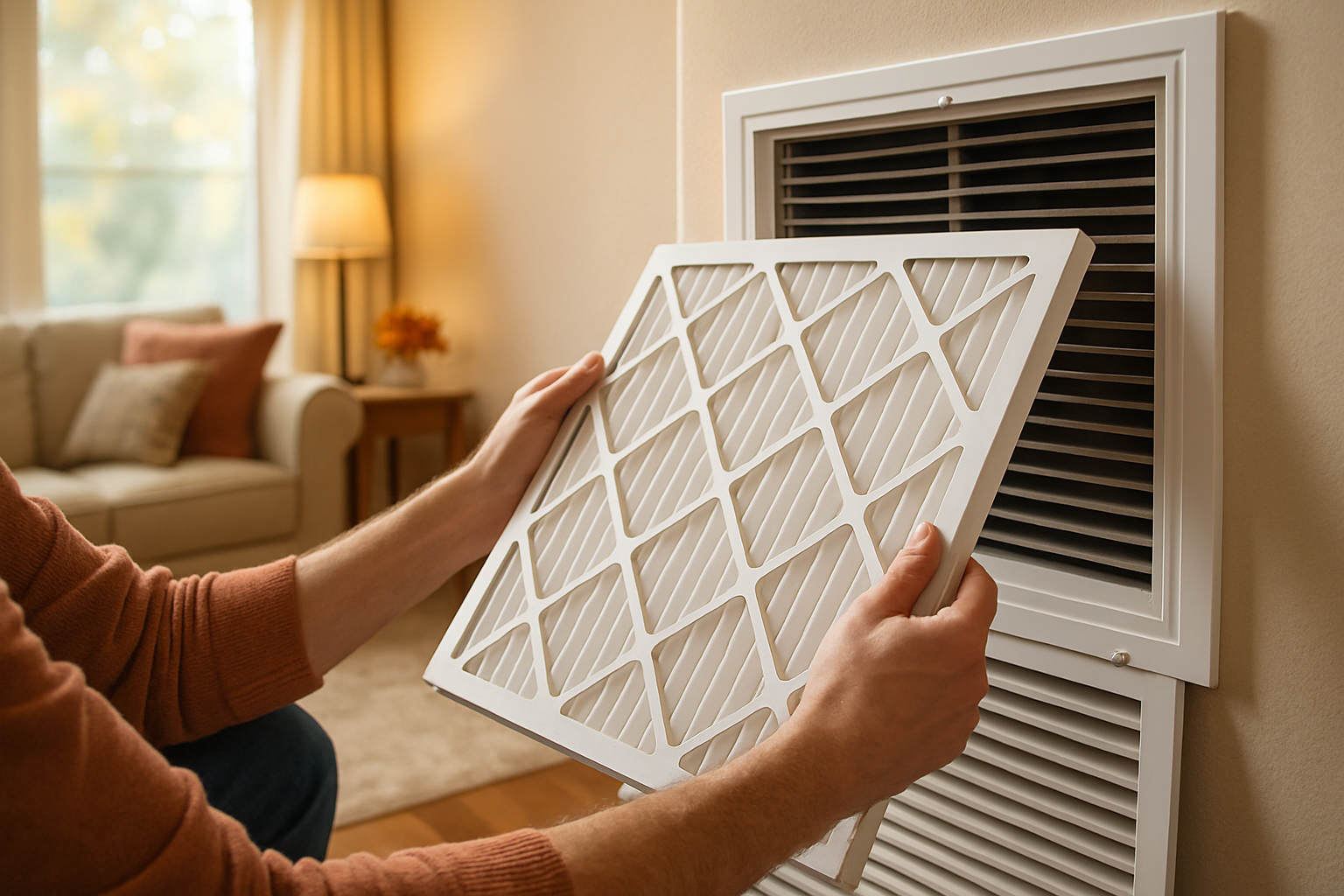
Your air filter is the first line of defense against dust, pollen, pet dander, and other airborne particles. However, not all filters are equal. A basic fiberglass filter may protect equipment, but it may not do much for allergy relief. A higher-quality pleated filter can capture smaller particles, but it must be properly matched to your system so it does not restrict airflow.
2. Humidity Control
Boerne weather can be unpredictable in September. After rain or during muggy stretches, indoor humidity can rise. When humidity is too high, your home may feel warmer than it is, odors may linger, and mold growth becomes more likely. Proper AC performance, clean coils, correct refrigerant charge, and clear drain lines all help manage humidity.
3. Airflow
Weak airflow can leave certain rooms stuffy and prevent proper filtration. Common causes include dirty filters, blocked vents, duct leaks, dirty blower components, or undersized ductwork. Good airflow keeps your home more comfortable and helps your system remove moisture and particles more effectively.
4. Duct Condition
Your ductwork is the pathway for conditioned air. If ducts are leaking, dusty, poorly insulated, or contaminated, your home may lose efficiency and circulate unwanted particles. In the Hill Country, attics can get extremely hot during summer, so duct problems often become more noticeable by early fall after months of heavy system use.
“We had no idea our allergy symptoms were connected to our HVAC system. Viking Climate Control found a clogged drain line, a badly overdue filter, and airflow issues. The house smelled fresher within a day.”
— Local Boerne homeowner
Practical Indoor Air Quality Steps for Early Fall
You do not have to wait until there is a major problem to improve your indoor air. A few smart steps in September can help your home feel cleaner and more comfortable as the season changes.
- Replace your air filter if it has been more than 30 to 90 days, depending on filter type, pets, and household allergies.
- Schedule fall HVAC maintenance to check coils, drain lines, blower components, refrigerant levels, electrical connections, and overall system performance.
- Keep supply and return vents clear of furniture, rugs, curtains, and dust buildup.
- Watch indoor humidity levels; ideally, many homes feel best around 40% to 50% relative humidity.
- Use bathroom and kitchen exhaust fans to reduce moisture and odors.
- Limit open-window time on high pollen days, especially if anyone in the home has allergies or asthma.
- Vacuum and dust regularly with attention to bedrooms, rugs, pet areas, and upholstery.
If you are not sure what type of filter your system should use, Viking Climate Control can help. Installing the most restrictive filter you can find is not always the right answer. Your system needs enough airflow to operate safely and efficiently. We can recommend filter options that balance cleaner air with proper HVAC performance.
Indoor Air Quality Upgrades Worth Considering
For some homes, routine maintenance and filter changes make a big difference. Other homes may benefit from dedicated indoor air quality equipment. This is especially true for households with pets, allergies, asthma, respiratory sensitivities, older ductwork, or persistent odors.
Options may include:
- Whole-home air purifiers that work with your HVAC system to reduce airborne particles.
- UV germicidal lights installed near coils to help limit biological growth in key system areas.
- Media air cleaners that provide enhanced filtration with less frequent filter replacement.
- Whole-home dehumidifiers for homes that struggle with excess moisture.
- Duct sealing to reduce air loss, attic dust infiltration, and comfort problems.
- Ventilation solutions that help bring in controlled fresh air without sacrificing efficiency.
The right solution depends on your home, your existing HVAC system, and your family’s comfort concerns. At Viking Climate Control, we do not believe in one-size-fits-all recommendations. We look at the whole picture: equipment age, airflow, duct condition, humidity, filter setup, and how your family actually uses the home.

Why Choose Viking Climate Control?
As a local company serving Boerne and the surrounding Hill Country, Viking Climate Control understands the weather patterns, home styles, and comfort issues that are common in our area. September indoor air quality concerns in Boerne are different from what homeowners face in colder or drier climates. Our recommendations are based on real local conditions—not generic advice.
When you choose Viking Climate Control, you can expect:
- Local knowledge of Boerne’s heat, humidity, pollen, and seasonal HVAC demands.
- Honest evaluations focused on what your home actually needs.
- Professional HVAC maintenance designed to improve comfort, efficiency, and reliability.
- Indoor air quality solutions tailored to your family, not pushed as a package.
- Clear communication before any work is performed.
- Respect for your home from arrival to cleanup.
Our goal is simple: help your home feel better, breathe cleaner, and run more efficiently. Whether you need a seasonal tune-up, help with musty odors, better filtration, humidity control, or a complete indoor air quality assessment, we are here to help.
Schedule Your Early Fall Indoor Air Quality Check
September is the perfect time to prepare your HVAC system for the months ahead. Your air conditioner has worked hard through another Texas summer, and your home may be carrying the effects of dust, pollen, humidity, and heavy system use. A professional inspection now can catch small issues before they become bigger comfort, efficiency, or air quality problems.
If your home feels stuffy, smells musty, seems dusty, or triggers fall allergies, do not ignore the signs. Viking Climate Control is ready to help Boerne homeowners enjoy cleaner indoor air and dependable comfort as the seasons change.
Contact Viking Climate Control today to schedule your early fall HVAC maintenance or indoor air quality consultation in Boerne, TX.
